Urban construction projects involve much more than brute digging power. Contractors operating in congested metropolitan settings must continually balance productivity, safety, noise limitations, pedestrian traffic, utility protection and tight project schedules. Traditional heavy equipment is often not efficient in the tight confines of a city, where every inch counts. For that reason, the zero tail swing mini excavator has become one of the most important machines in modern urban construction.
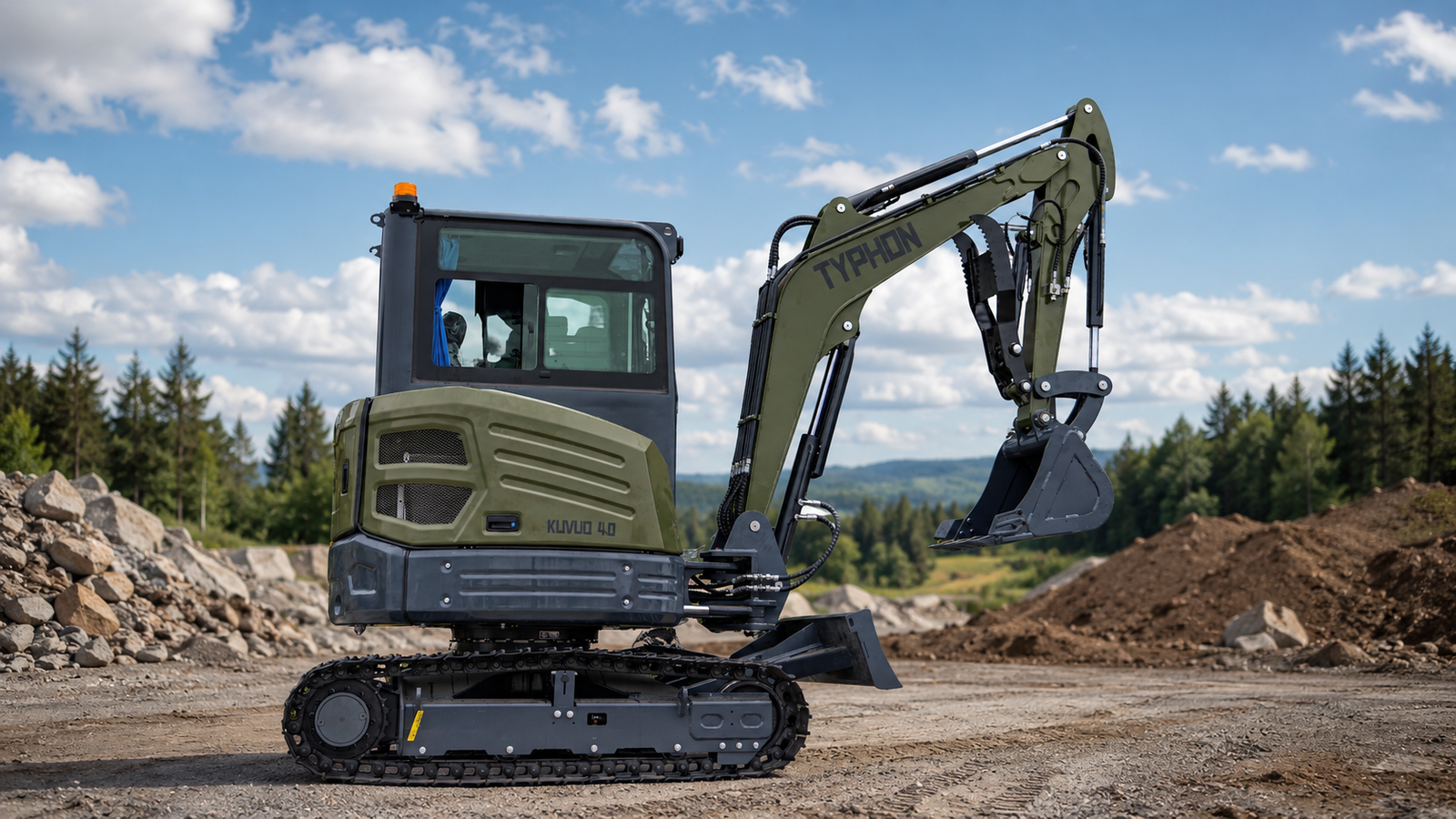
Unlike traditional excavators that have a rear counterweight that extends out beyond the tracks when rotating, a zero tail swing model keeps the entire body within the width of the machine’s tracks. The design greatly improves maneuverability and reduces the risk of collision in narrow and congested areas. These compact excavators allow crews to complete demanding jobs with greater accuracy and reduced operational risk, whether it’s utility trenching, sidewalk repair, indoor demolition or infrastructure upgrades.
As urban development continues to accelerate, contractors need equipment that can adapt to the tight confines of the jobsite without sacrificing performance. Zero tail swing mini excavators strike that balance with the combination of compact dimensions and powerful hydraulic capability, making it an essential solution for modern city construction.
Navigating Narrow Urban Corridors
One of the greatest challenges in urban construction is operating inside confined spaces surrounded by buildings, parked vehicles, fencing, utility poles, and active pedestrian zones. Traditional excavators require significant swing clearance to rotate safely, which limits their effectiveness in compact work environments.
A zero tail swing mini excavator eliminates this issue entirely. Since the rear housing never extends beyond the width of the tracks, operators can work directly against walls, barriers, and structures without worrying about rear-end collisions. This feature is especially valuable when crews must excavate alongside existing buildings or within narrow alleyways where movement is extremely limited.
For example, contractors repairing underground water lines in a downtown district often have only a few feet of workable space between the trench and active traffic lanes. A standard excavator may require road closures or additional safety buffers to operate safely. A zero tail swing machine can perform the same task while occupying a significantly smaller footprint, helping minimize public disruption and traffic congestion.
This enhanced maneuverability also improves operator confidence. Instead of constantly checking rear clearance during every swing cycle, operators can focus fully on excavation accuracy and productivity. Over the course of a long project, this reduction in operational stress contributes to faster completion times and fewer costly mistakes.
Improving Safety Around Pedestrians and Traffic
Urban construction sites create unique safety concerns because crews often work in close proximity to the public. Pedestrians, cyclists, nearby businesses, and moving vehicles all increase the risk of accidents when heavy machinery is in operation.
A traditional excavator’s protruding counterweight can create dangerous blind spots and swing hazards, particularly when operating near sidewalks or traffic lanes. Even a minor miscalculation can result in severe property damage, injuries, or project shutdowns.
Zero tail swing mini excavators significantly reduce these risks by maintaining a controlled rotational footprint. Because the machine remains compact throughout operation, contractors can establish safer work zones with less exposure to surrounding activity. This added control becomes especially important during utility trenching, curb repair, and roadside excavation projects where space restrictions leave little room for error.
Enhancing Efficiency in Utility Installation and Repairs
Urban infrastructure requires constant maintenance and modernization. Aging sewer systems, electrical conduits, fiber optic networks, and water lines frequently need repair or replacement beneath heavily populated streets.
These projects demand equipment capable of performing precise excavation without disturbing surrounding infrastructure. A zero tail swing mini excavator excels in these situations because operators can dig accurately in confined zones while maintaining complete control over machine positioning.
Their smaller size allows crews to excavate around existing underground utilities with greater precision, reducing the likelihood of accidental strikes that could delay the project and create dangerous conditions.
Supporting Interior Demolition and Basement Excavation
Urban redevelopment frequently involves renovating existing structures rather than building entirely new facilities. In these cases, contractors often need compact equipment capable of operating indoors or within partially enclosed environments.
A major advantage of many zero tail swing mini excavators is their ability to fit through standard gates, narrow passages, and even commercial doorways. This allows crews to bring hydraulic digging and demolition power directly into interior spaces that larger equipment cannot access.
Instead of relying solely on manual labor or handheld demolition tools, crews can complete difficult interior excavation work much faster using compact hydraulic equipment. This increased productivity reduces labor costs and shortens project timelines.
The precision of mini excavators also minimizes vibration and unintended structural damage during demolition activities. In tightly packed urban environments where adjacent buildings share walls or foundations, controlled excavation is critical for preventing costly structural complications.
Maximizing Jobsite Organization and Space Management
Space management is one of the most overlooked aspects of urban construction efficiency. Crowded jobsites can quickly become disorganized when large machinery occupies excessive staging areas.
Improved layout efficiency allows multiple trades to work simultaneously without interfering with one another. Electricians, plumbers, masons, and excavation crews can coordinate tasks more effectively when equipment occupies a smaller footprint.
Better organization also improves safety. Congested worksites increase the risk of slips, trips, collisions, and communication failures. Compact machinery creates a more controlled environment where crews can move safely and efficiently throughout the project area.
Lower Transportation and Operational Costs
Transporting heavy equipment through crowded city streets can be both difficult and expensive. Larger excavators often require oversized transport permits, specialized trailers, escort vehicles, and restricted travel schedules.
Zero tail swing mini excavators simplify logistics considerably. Their compact dimensions and lighter weight allow contractors to transport them using standard trailers and medium-duty trucks. This reduces hauling expenses and provides greater scheduling flexibility.
Contractors can navigate narrow intersections, parking structures, and dense urban routes far more easily with compact equipment. Faster mobilization means crews spend less time waiting for machinery and more time actively working on the project.
Fuel efficiency is another important advantage. Mini excavators typically consume significantly less fuel than larger construction equipment, helping contractors lower operating costs over long-term projects. Reduced fuel usage also supports sustainability goals and environmental compliance standards increasingly required in urban development projects.
Increasing Versatility With Attachments
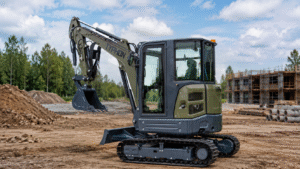
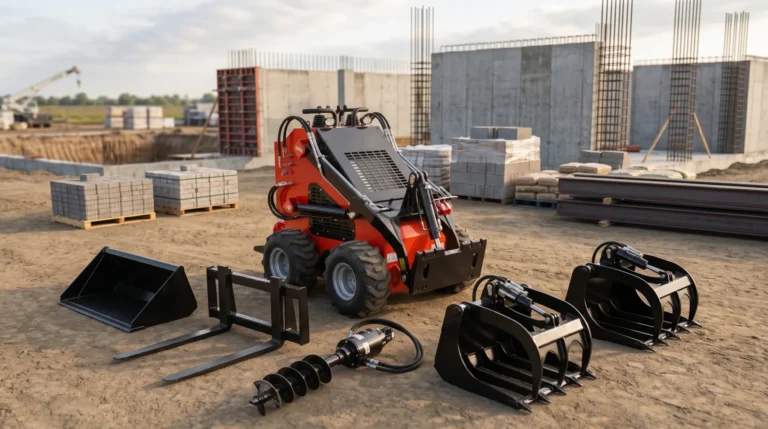
Modern zero tail swing mini excavators are compatible with a wide variety of hydraulic attachments that expand their functionality far beyond simple digging tasks. By switching attachments, contractors can use a single machine for multiple applications throughout a project.
This versatility reduces the need for additional specialized equipment, lowering both rental and maintenance expenses. Crews can transition quickly between excavation, demolition, lifting, grading, and material handling tasks without bringing in multiple machines.
In urban construction where staging space is limited, reducing equipment volume provides a major operational advantage. Contractors can complete more tasks using fewer machines while maintaining productivity and flexibility.
Conclusion
Urban construction requires equipment that can perform powerfully within extremely limited spaces. Contractors working in dense metropolitan environments cannot afford unnecessary delays, safety hazards, or inefficient machinery layouts. The zero tail swing mini excavator addresses these challenges by combining compact maneuverability with impressive hydraulic performance.
From utility trenching and roadside repairs to interior demolition and infrastructure modernization, these machines allow crews to operate safely and efficiently in areas where traditional excavators struggle. Their compact footprint improves jobsite organization, reduces transportation costs, enhances public safety, and supports faster project completion.
As cities continue expanding and redevelopment projects become increasingly complex, investing in compact, high-performance excavation equipment is no longer optional. Contractors who integrate zero tail swing mini excavators into their fleets position themselves for greater efficiency, stronger profitability, and long-term success in the demanding world of urban construction.