What you Should Know about 1-Ton vs. 4-Ton Mini Excavator
Choosing the right mini excavator size can make or break a job. Pick a machine that’s too small, and you’ll grind through hours of work it was never built for. Go too big, and you’ll struggle to fit on tight sites while paying for capacity you don’t need.
For the past few years, mini excavators have become the go-to choice for construction, landscaping, and confined worksites. They are compact yet capable, delivering the digging power and stability professionals rely on. The question most buyers face isn’t whether to buy one, but which size fits the work in front of them.
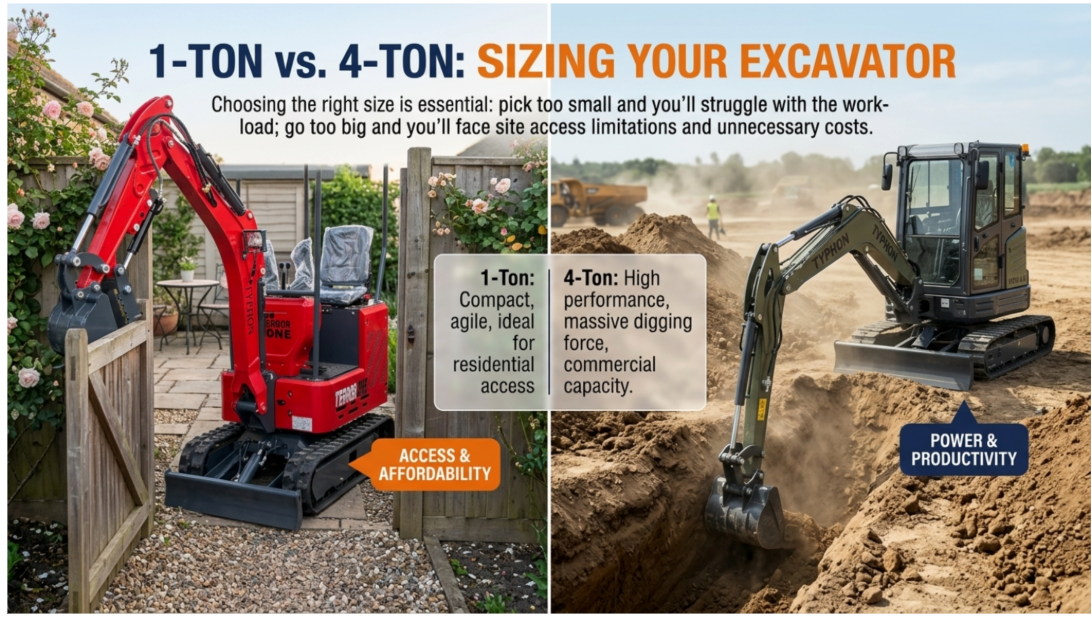
This guide breaks down how a 1-ton and a 4-ton mini excavator compare across the factors that matter most: digging power, ideal use cases, engine specs, maneuverability, cost, and transport. By the end, you’ll know exactly which size matches your workload, your site conditions, and your budget. The short version? The 1-ton wins on access and affordability, while the 4-ton wins on power and productivity.
Key Differences Overview
Before we dig into the details, it helps to see how these two machines stack up side by side. A quick comparison gives you a clear sense of where each one shines and where it falls short, so you can spot the better fit for your typical projects right away.
Summarize the ideal target audience for each. The 1-ton excavator is the darling of residential landscaping, plumbing repairs, and skilled DIYers who value precision and low-risk operation over speed. The 4-ton excavator is a commercial workhorse built for professional contractors, civil works, and clearing large property size where time is money and the volume of dirt moved dictates the project’s profitability.
Understanding the Comparison
The most obvious difference between these two machines is their actual size. A 1-ton excavator is small enough to fit through a standard backyard gate or work in tight alleyways. A 4-ton machine is much larger and needs plenty of open space just to move around safely.
A 1-ton model is built for shallow, easy jobs like digging garden trenches or small holes. The 4-ton model is much heavier and stronger, allowing it to dig twice as deep and push through hard, rocky dirt. Choosing between them depends on how deep and tough your project is.
Understanding these differences makes it easier to select the right excavator for your available space, workload, and project goals. By comparing size, digging capability, and worksite requirements, you can determine which machine offers the best balance of performance and efficiency. The right choice ultimately depends on the scope of the project, site conditions, and the level of power required to complete the work efficiently.
Digging Power and Reach

Excavator digging depth and reach explained simply comes down to how far down and how far out each machine can work, and that gap is what truly separates a 1-ton from a 4-ton.
Digging capacity is where these two machines separate most clearly. The difference comes down to breakout force, reach, and how well each handles tough ground conditions across a full workday. Matching that capacity to your typical dig is the surest way to avoid overworking a small machine or overpaying for a large one.
1-Ton vs. 4-Ton: Matching Power to the Job
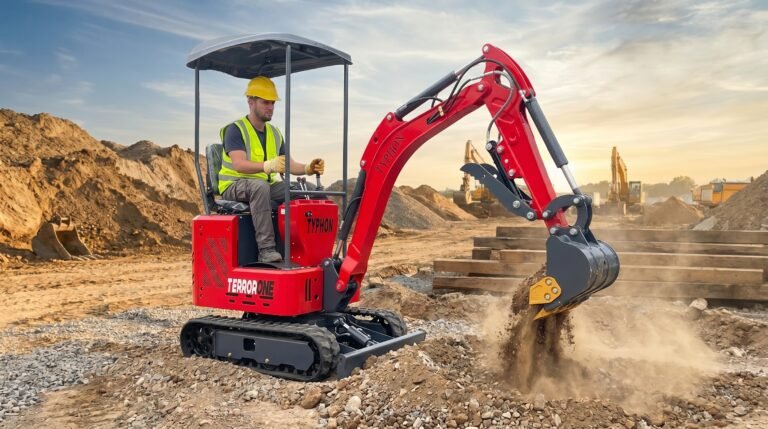
A 1-ton excavator is ideal for light to moderate tasks, such as shallow trenching, small foundations, and landscaping projects in soft to medium soil. It offers controlled, clean digging without straining the machine. However, its limitations become apparent in compacted or rocky ground, where it lacks the necessary force and depth. For lighter jobs, it provides reliable and efficient performance.
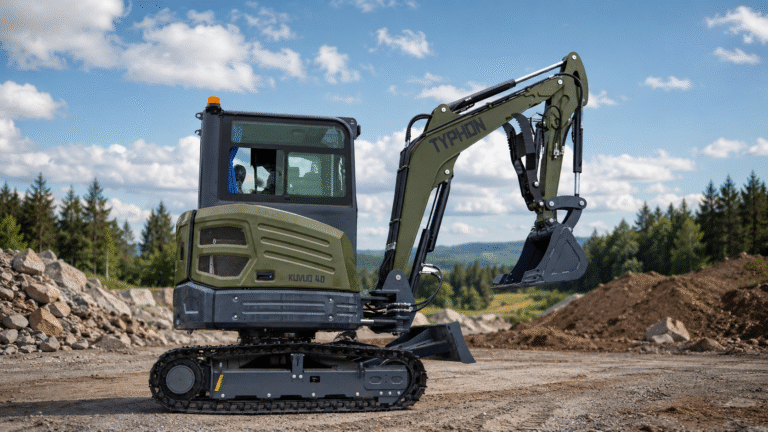
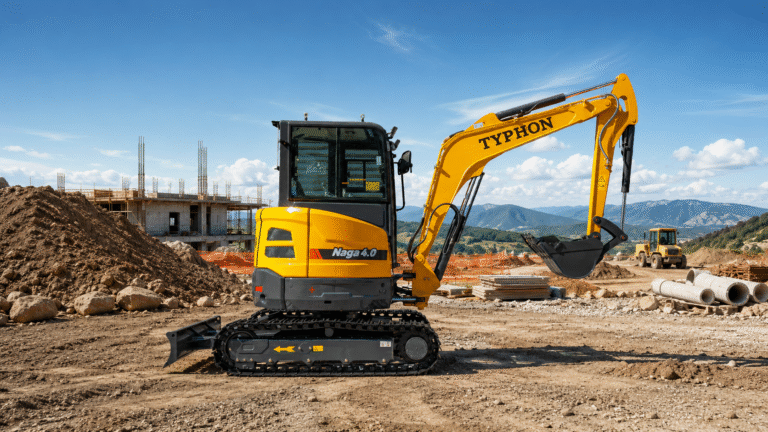
In contrast, the 4-ton excavator operates in a different league. Its superior breakout force and longer reach allow it to handle more demanding jobs, including deeper trenches, larger footings, and excavation in tough, rocky soil. The additional power translates directly into significant time savings on projects that involve high-volume or hard digging.
To choose the right machine, first assess your typical dig depth and soil conditions. If your work is generally shallow and in soft ground, a 1-ton excavator is a capable and cost-effective choice. If you frequently need to cut deep or work through a hardpack, the 4-ton model is the more appropriate investment.
Matching Power to Soil Conditions
Soil type often matters as much as raw horsepower. Loose, sandy ground gives way easily, so even a 1-ton can move through it quickly without losing momentum. Clay, hardpack, and rocky terrain are a different story, demanding the heavier breakout force a 4-ton provides. Before you commit to a size, take a moment to assess the ground you work most often. A machine matched to your soil conditions digs faster, wears slower, and keeps every project on schedule.
Maneuverability in Confined space

Power means little if the machine can’t reach the work. Access is often the deciding factor on residential and urban jobs, where every inch of width matters at the gate. A compact 1-ton excavator can easily pass through narrow entrances, tight pathways, and confined work areas that larger machines simply cannot access. This makes it a practical choice for backyard renovations, landscaping projects, and utility work in crowded environments. On the other hand, while a 4-ton excavator offers greater power and digging capacity, it may require additional space for transport, setup, and operation.
Site Access and Manoeuvrability
For tight access, the 1-ton excavator is the superior choice. Its narrow width allows it to pass through standard gates, doorways, and confined sites where larger equipment cannot operate. This flexibility is invaluable for urban job sites and detailed landscaping projects.
While the 4-ton excavator is agile for its size, often featuring boom swing and retractable tracks, it requires significantly more room to operate. Always confirm site access and working space before delivery. On open job sites, the larger footprint is rarely an issue, and the increased stability provides a distinct operational advantage. If your projects are primarily in backyards and narrow passages, prioritising access is key. For open ground, the 4-ton’s size will not be a limitation.
Checking Access Before You Commit
A quick site walk before delivery can save you a costly headache later. Measure the narrowest point the machine must pass, whether that’s a garden gate, a side passage, or a doorway, and compare it against the excavator’s width. Note any soft ground, slopes, or overhead obstacles that could limit movement once the machine is on site. Taking these few minutes up front confirms the size you’ve chosen will actually reach the work and operate safely from the first dig to the final cleanup.
Maintenance and Resale Considerations
Ownership costs stretch well past the purchase date, so factor in upkeep and future resale too. Both classes benefit from simple, routine maintenance like fluid checks, track inspections, and timely service, but parts and labor naturally run higher on a larger 4-ton. On the resale side, well-maintained machines from trusted engine brands tend to hold their value, giving you a stronger return when it’s time to upgrade. Keeping detailed service records and protecting the machine from unnecessary wear pays off twice: smoother operation now and a better price later.
Picking the Right Excavator
Choosing between a 1-ton and a 4-ton comes down to one honest question: what does most of your work actually require? Start with your everyday jobs, not the rare big project, and the right answer usually becomes clear.

Choose a 1-ton if you’re a homeowner tackling occasional projects, a landscaper working in tight residential yards, or a small contractor who values easy transport and low operating costs. It delivers dependable performance for light digging, confined sites, and detailed work without overspending.
Choose a 4-ton if you’re a contractor running frequent heavy excavation, a builder handling foundations and deep trenching, or a crew on road and grading projects that demand power and stability. Its strength, durability, and reach keep larger jobs moving and protect your bottom line through faster completion.
When in doubt, size to your most common job rather than your rarest one. Buying for the occasional big project usually means paying for capacity you won’t use, while buying for everyday work keeps you efficient and profitable.
Don’t Forget Attachment Compatibility
The right attachments can stretch a single machine across many tasks, so check compatibility before you buy. A hydraulic thumb, grading bucket, auger, or breaker turns one excavator into a complete jobsite toolkit, but not every attachment fits every size or hydraulic setup. Confirm that the model you choose supports the tools your work demands, ideally with quick-connect couplers that let you swap between them in minutes. Matching the machine to the right attachments keeps your crew moving smoothly from digging to grading to cleanup without hauling extra equipment to the site.
Conclusion
The right mini excavator turns demanding work into fast, precise results, but only when its size matches the job. The 1-ton brings unbeatable access and affordability to tight, light-duty work, while the 4-ton delivers the power, depth, and durability that heavy excavation demands. Both are reliable investments when paired with the right projects.
By choosing the size that fits your most frequent tasks, your typical dig depth, and your site access, you set your crew up to work smarter and finish stronger. List your three most common jobs, check them against the comparison table above, and you’ll have a clear answer that fits your project needs and your budget.
Ultimately, investing in the right equipment is an investment in your productivity. Whether you prioritize the agility of a 1-ton model or the raw power of a 4-ton unit, selecting a machine that aligns with your operational reality ensures you can tackle every project with confidence, knowing you have the right tool for the job.