In modern earthmoving operations, profitability depends on precision. Rising fuel costs, machine wear, and inefficient cycle times can quickly erode margins. One often-overlooked factor that directly impacts performance is the construction equipment bucket size.
Choosing the correct bucket for your excavator or loader is not simply about maximizing volume—it’s about optimizing efficiency. Proper bucket selection ensures your machine operates within its designed limits while handling specific material types effectively. Poor attachment choices can lead to excessive fuel consumption, increased wear and tear, and reduced equipment lifespan.
This guide explains how bucket size efficiency affects fuel usage, productivity, and overall jobsite performance. By understanding optimal loading techniques and avoiding overloading risks, contractors can make smarter decisions that improve efficiency and protect long-term equipment value.
The Core Concept of Bucket Size Efficiency
Many heavy equipment operators fall into a costly trap: assuming that bigger buckets always improve performance. In reality, using the largest possible bucket on a wheel loader—especially when loading commercial dump trucks with dense materials like gravel—can significantly reduce efficiency.
Oversized buckets often lead to overloading, slower cycle times, and increased fuel consumption. Instead of boosting productivity, this approach can negatively impact overall construction equipment efficiency and jobsite output.
Bucket size efficiency refers to the perfect balance between the volume of material a bucket holds and the machine’s ability to maneuver that specific weight. Heavy construction equipment relies on strict engineering tolerances. When you push a machine past its intended operating capacity, every single internal component suffers.
Achieving true efficiency means matching your bucket volume directly to the density of the material you are moving. You must consider the weight of the dirt, the hydraulic lifting capacity of the machine, and the required cycle time. When all these factors align, your operators move maximum tonnage while burning the absolute minimum amount of diesel fuel.
The Hidden Financial Dangers of Overloading
Equipping an excavator or wheel loader with an oversized bucket almost guarantees chronic overloading. When a bucket holds more material weight than the machine can comfortably handle, you instantly trigger a cascade of expensive mechanical problems. Overloading is not a shortcut to higher production; it is a direct path to massive repair bills.
Skyrocketing Fuel Consumption
Your heavy equipment burns fuel based entirely on the mechanical load placed upon the engine. When an operator tries to lift a massively overloaded bucket, the hydraulic pump demands maximum power. The engine must rev to its absolute highest RPM just to break the heavy load loose from the pile.
This sustained, intense strain burns through diesel fuel at an alarming rate. The machine struggles through every single loading cycle, constantly operating at the absolute edge of its power curve. Instead of smoothly lifting and swinging the material, the equipment fights gravity, completely destroying your fuel economy in the process.
Accelerated Equipment Wear and Tear
Beyond burning excess fuel, overloading inflicts severe physical damage on your valuable capital assets. When a wheel loader drives into a dense pile of wet clay with an oversized bucket, the tires frequently lose traction. This constant tire slippage shreds expensive heavy-duty rubber, forcing you to replace tires months ahead of schedule.
For excavators, lifting an oversized, overloaded bucket places immense stress on the boom, stick, and hydraulic cylinders. The pins and bushings wear out prematurely under the extreme friction. You will quickly notice hydraulic hoses weeping fluid and internal relief valves failing. Choosing the wrong bucket forces you to spend your hard-earned profits on completely preventable emergency repairs.
Safety Hazards and Material Spillage
An overloaded machine is an inherently unstable machine. When an operator lifts a bucket that exceeds the equipment’s safe operating weight, the machine’s center of gravity shifts dangerously forward. This creates a severe tipping hazard, particularly when operating on uneven job site terrain or soft soils.
Furthermore, an oversized bucket filled past its brim guarantees significant material spillage. As the machine bounces across the job site or swings toward a dump truck, loose dirt and heavy rocks fall over the sides. Your crew then wastes valuable time and fuel making secondary passes simply to clean up the spilled material.
The Productivity Pitfalls of Underloading
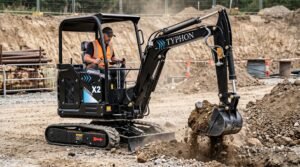
While overloading destroys your machinery, underloading actively destroys your project timeline. Equipping a massive 30-ton excavator with a highly conservative, undersized trenching bucket makes very little financial sense for bulk earthmoving. You must ensure your machine performs enough work to justify its high hourly operating cost.
Wasted Time and Excessive Cycle Times
A cycle time represents the total time it takes an operator to dig, swing, dump, and return to the pile. If you use a bucket that is too small for the machine’s capabilities, the operator must complete significantly more cycles to move the same amount of dirt.
Loading a standard commercial dump truck might take four passes with the correct bucket. With an undersized bucket, that same task might require eight passes. You essentially double the amount of time it takes to complete the core task. This massive drop in productivity quickly puts your entire construction project behind schedule.
Inefficient Fuel Burn Per Yard
Every time a heavy machine moves, it burns a baseline amount of diesel fuel simply to power its own heavy steel frame. When you use an undersized bucket, a massive percentage of your fuel goes toward swinging the heavy boom and stick, rather than actually moving profitable material.
Your fuel efficiency plummets because you burn nearly the same amount of fuel per hour, but you move half the total yardage of dirt. Maximizing your bucket size efficiency means ensuring every drop of diesel fuel translates directly into maximum payload transferred.
Striking the Balance: The Optimal Loading Strategy
Protecting your bottom line requires implementing a strict, optimal loading strategy across your entire fleet. Optimal loading occurs when the operator consistently fills the bucket to its exact rated capacity without straining the machine’s hydraulic system. Achieving this perfection requires a deep understanding of material properties.
Calculating Material Density
You cannot select the perfect bucket without knowing exactly what type of earth you are excavating. Different materials possess drastically different weights per cubic yard. Dry topsoil is incredibly light and easy to maneuver. Wet, densely compacted clay or heavy crushed granite weighs significantly more.
If your crew is moving light, dry topsoil, you can safely equip your wheel loader with a high-capacity bulk material bucket. The machine will easily handle the massive physical volume because the overall weight remains low. However, if that same loader transitions to moving wet gravel, you must immediately swap to a smaller, heavy-duty rock bucket to avoid overloading the hydraulic system.
Understanding Bucket Fill Factors
Manufacturers rate bucket capacities using struck capacity and heaped capacity. Struck capacity represents the volume of the bucket if you leveled the material perfectly flat across the top. Heaped capacity accounts for the natural pyramid of material that piles up above the bucket’s rim.
Different soils feature different natural fill factors. Sticky clay might heap perfectly, allowing you to achieve a 110 percent fill factor. Loose, dry sand will constantly slide off the edges, restricting you to a 90 percent fill factor. You must train your operators to recognize how different materials behave in the bucket and adjust their digging techniques accordingly.
Actionable Steps to Improve Your Fleet Efficiency
Reducing heavy equipment operating costs starts with proactive management—not guesswork. Allowing operators to choose whichever bucket is most convenient can lead to inefficiency, higher fuel consumption, and unnecessary wear.
To maintain peak performance, begin with a full construction equipment attachment audit. Ensure your fleet includes a range of bucket types, such as trenching buckets, general-purpose buckets, and severe-duty rock buckets. This flexibility allows operators to match the right tool to specific job-site conditions.
Next, improve decision-making by placing machine load capacity charts and material density guides inside every cab. When operators have clear data at their fingertips, they can avoid overloading, reduce equipment stress, and improve overall jobsite productivity.
Conclusion
Securing a profitable future in the heavy construction industry demands absolute efficiency. You cannot afford to burn excessive diesel fuel or prematurely destroy expensive hydraulic components due to poor attachment selection. The bucket you pin to the end of your machine dictates the pace, safety, and profitability of your entire project.
By mastering bucket size efficiency, you take complete control over your daily operational costs. You protect your heavy equipment from the severe structural damage caused by overloading while simultaneously avoiding the sluggish productivity of underloading. Take the time to evaluate your upcoming projects, calculate your material densities accurately, and equip your machinery with the perfect bucket for the job. Your commitment to optimal loading will instantly reward you with faster cycle times, drastically lower fuel bills, and highly reliable fleet performance.