Every successful construction project relies on the seamless movement of massive amounts of heavy material. When you cannot transport earth, aggregate, or debris quickly, your entire jobsite grinds to a highly expensive halt. Professional contractors need reliable, high-capacity machinery to keep their operations moving forward strictly on schedule.
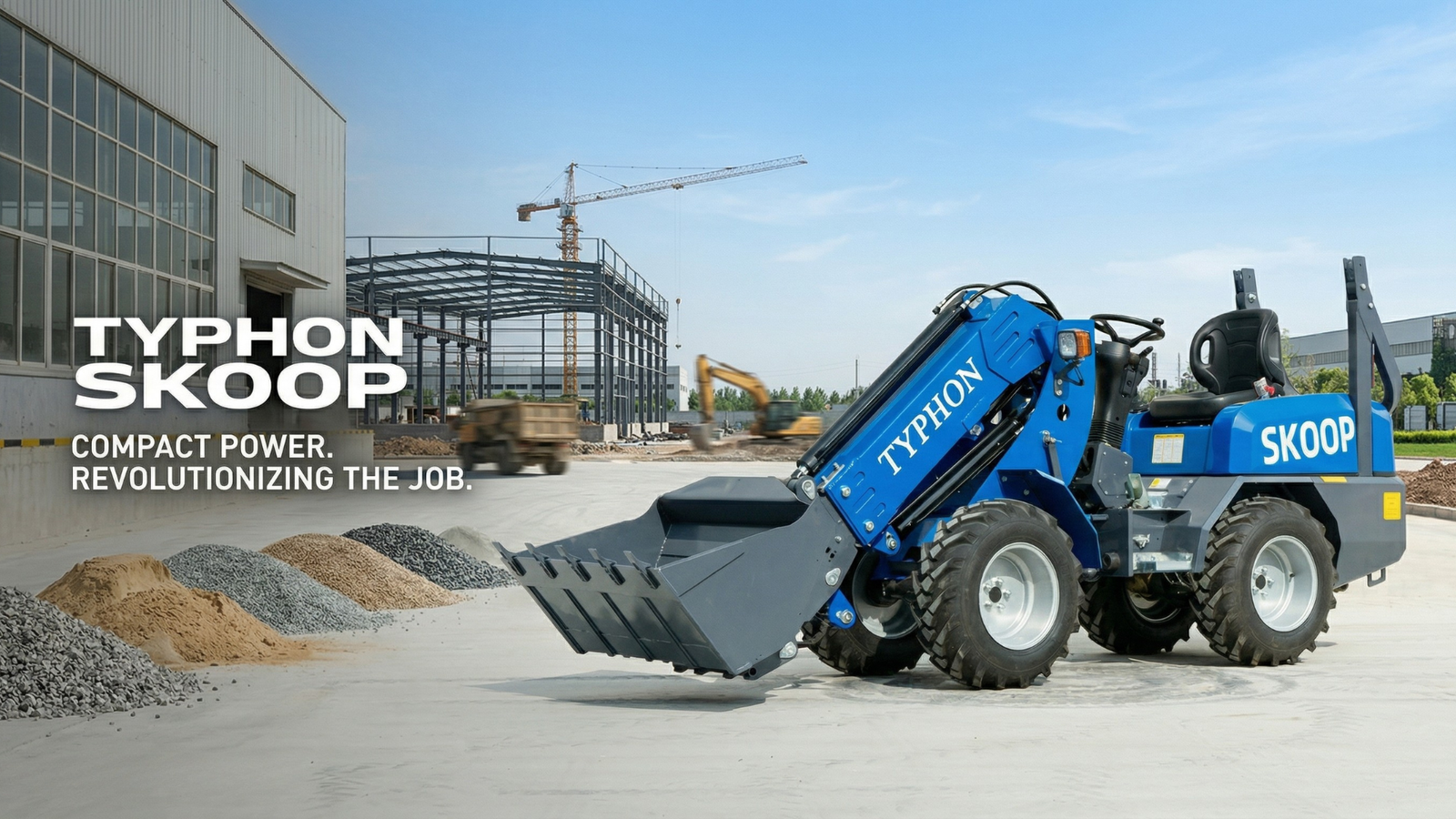
Wheel loaders stand as the ultimate solution for heavy-duty material transport. These powerful machines deliver incredible lifting strength, unmatched mobility, and massive bucket capacities. By integrating the right loader into your fleet, you instantly eliminate jobsite bottlenecks and protect your profit margins.
This comprehensive guide explores exactly how these machines elevate your daily operational output. We will examine the critical importance of material movement and explain how advanced engineering reduces loading times. You will learn how to evaluate key performance features, apply them to real-world tasks, and maximize your overall loader productivity.
The Critical Importance of Material Movement
Construction sites represent highly complex, tightly choreographed logistical operations. Your specialized crews cannot pour concrete foundations or lay asphalt until the site preparation finishes completely. Moving thousands of tons of raw material dictates the pace of every subsequent phase of your project.
When you utilize inefficient material handling equipment construction operations suffer immediately. Using undersized machinery forces your operators to make hundreds of unnecessary trips across the site. This excessive travel burns expensive diesel fuel, accelerates mechanical wear, and rapidly exhausts your workforce.
Conversely, deploying a properly sized wheel loader transforms your jobsite dynamics entirely. These machines scoop, transport, and dump massive volumes of material in a single, fluid motion. Mastering this continuous flow of material guarantees that your specialized tradesmen always have the clear space and resources they need to work.
Reducing Loading Time with Advanced Engineering
Time remains your most valuable asset on any active commercial site. You measure jobsite success in cycle times, which represent the total seconds required to scoop, lift, dump, and return to the pile. Wheel loaders utilize sophisticated hydraulic systems to keep these cycle times as short as physically possible.
Modern loaders feature highly responsive, load-sensing hydraulics that instantly adjust to the weight of the material. When the bucket bites into a dense pile of wet sand, the system automatically redirects massive engine horsepower to the lifting cylinders. This intelligent power distribution allows the operator to tear through compacted piles without stalling the machine or spinning the tires.
Furthermore, articulated steering completely redefines wheel loader efficiency on crowded sites. The machine features a central pivot point that allows the front chassis to turn independently of the rear cab. This engineering marvel enables operators to position the bucket perfectly against a dump truck without requiring massive amounts of open space to maneuver.
Key Performance Features Driving Loader Productivity
Selecting the perfect machine requires a deep understanding of its core physical capabilities. Manufacturers engineer loaders to strike a specific balance between lifting power, speed, and structural reach. Evaluating these three primary features ensures you purchase a machine that perfectly aligns with your specific daily demands.
Maximizing Bucket Capacity
The bucket serves as the primary point of contact between your machine and your working capital. Bucket capacity determines exactly how many cubic yards of material your operator can move in a single pass. Equipping your loader with a high-capacity bucket drastically reduces the number of cycles required to fill a commercial hauling truck.
However, you must match the bucket size directly to the specific density of the material you handle most often. A massive bucket works perfectly for moving light, loose materials like wood chips or dry topsoil. If you attempt to fill that same massive bucket with solid, wet clay, you will immediately exceed the machine’s safe operating weight limit.
Optimizing Lift Speed
Raw lifting capacity means very little if the machine takes too long to hoist the material into the air. Lift speed heavily dictates your overall loader productivity during high-volume material handling shifts. Fast, highly responsive lifting cylinders allow your operators to keep their momentum flowing smoothly throughout the entire work day.
Superior lift speed also improves operator safety and confidence on the jobsite. When the boom arms raise quickly and predictably, the operator maintains better control over the machine’s center of gravity. This smooth hydraulic performance prevents heavy materials from shifting unexpectedly and spilling backward onto the safety canopy.
Leveraging Dump Height
Every contractor must carefully evaluate the required dump height of their material handling equipment. Dump height represents the maximum vertical clearance the bucket achieves when fully inverted. If your machine cannot clear the side rails of your largest dump trucks, the loader becomes completely useless for transportation tasks.
High-lift boom configurations allow you to load taller, high-capacity trailers with absolute ease. The operator can easily heap the material perfectly into the center of the truck bed without scraping the side panels. This precise material placement maximizes the payload of every departing truck, saving your company thousands of dollars in transportation costs over a busy season.
Real-World Applications on the Jobsite
To truly understand wheel loader efficiency, you must observe these machines tackling demanding, real-world challenges. Their unique combination of speed and strength makes them the ultimate utility player for aggressive earthmoving contracts. Let us examine how these loaders dominate two of the most common material handling tasks on modern sites.
Moving Sand and Gravel Quickly
Road building and commercial paving projects demand millions of tons of crushed aggregate and fine sand. Wheel loaders act as the primary engines driving these massive logistical operations. They constantly feed the heavy crushing plants, load the delivery trucks, and stockpile the sorted materials safely.
The heavy rubber tires on these machines provide a massive advantage when working on paved or hard-packed surfaces. Tracked machines destroy finished asphalt and travel far too slowly to keep up with high-volume aggregate production. The wheeled loader glides quickly across the pavement, transporting heavy buckets of gravel at speeds that tracked earthmovers simply cannot match.
Furthermore, operators utilize the heavy, flat bottom of the loader bucket to maintain clean, level staging areas. By back-dragging the bucket across the ground, they keep the stockpile zones perfectly organized and free of tire-puncturing debris. This dedication to site maintenance protects your equipment and ensures a highly professional jobsite appearance.
Clearing Heavy Debris Safely
Demolition projects and massive site clearings generate extreme amounts of twisted, highly hazardous debris. Clearing this dangerous material safely requires a machine with relentless pushing power and unwavering stability. Wheel loaders easily ram through heavy piles of shattered concrete, broken asphalt, and torn structural steel.
When equipped with specialized grapple buckets, these loaders securely clamp down on awkward, jagged materials. This secure clamping force allows the operator to transport heavy debris safely across the site without spilling it. Removing this hazardous material quickly protects your workforce from severe trip hazards and keeps your project strictly on schedule.
The elevated cab design also provides the operator with exceptional, unobstructed visibility. They can clearly see the edges of the dump truck and the ground immediately in front of the tires. This superior line of sight prevents accidental collisions and ensures every load of debris drops safely into the designated commercial dumpster.
The Direct Impact on Project Speed and ROI
Investing in high-quality material handling equipment construction fundamentally changes the trajectory of your business. When you move earth and aggregate faster, you accelerate every single phase of your active contract. Finishing a major commercial development weeks ahead of schedule earns you massive performance bonuses and highly lucrative client referrals.
Your overall return on investment relies heavily on minimizing your daily operating costs. Modern wheel loaders deliver exceptional fuel efficiency, burning far less diesel than older, outdated machinery. When you combine this fuel savings with a massive reduction in cycle times, your profit margins naturally expand.
Furthermore, premium heavy equipment holds its resale value incredibly well on the secondary market. When you properly maintain your loaders, you can eventually trade them in to recoup a massive portion of your original working capital. This strong residual value protects your financial stability and ensures your fleet remains highly competitive for decades.
Maximize Your Material Handling Capabilities
Controlling the massive flow of heavy materials guarantees the long-term success and profitability of your contracting business. You now understand exactly how wheel loaders drastically improve your daily operational efficiency. By leveraging their superior bucket capacity, rapid lift speeds, and impressive dump heights, you completely eliminate jobsite bottlenecks.
Take a moment to audit your current fleet and evaluate how much time your crew wastes waiting for materials to move. Look closely at the exact specifications of the dump trucks and crushers you currently operate. By matching the perfect wheel loader to these specific jobsite demands, you empower your team to operate with unmatched professional confidence and exceptional speed.