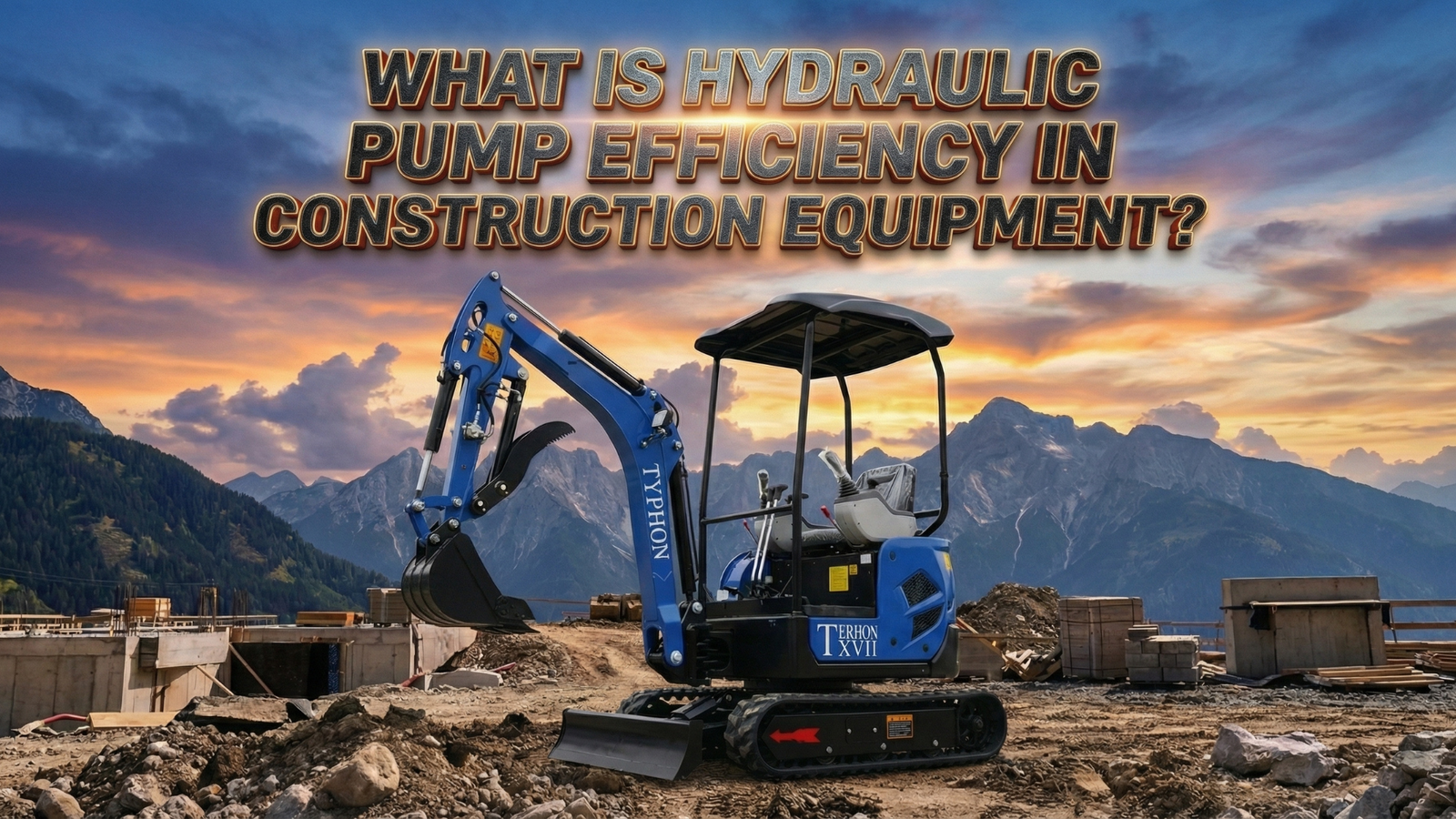
What Is Hydraulic Pump Efficiency in Construction Equipment?
Heavy machinery relies on hydraulic power to move mountains of earth, lift massive loads, and power through the toughest job site conditions. When your equipment operates smoothly, you likely do not think about the complex fluid dynamics happening beneath the metal panels. However, the true driving force behind your excavator, loader, or dozer is the hydraulic pump.
Understanding hydraulic pump efficiency is critical for any contractor or fleet manager looking to maximize profitability. A pump that operates below its optimal level silently drains your resources. It burns extra fuel, extends project timelines, and accelerates wear on your expensive heavy equipment.
This guide breaks down exactly what hydraulic pump efficiency means for your daily operations. We will explore the vital differences between mechanical and volumetric efficiency. You will also learn how to spot the early warning signs of efficiency loss and implement effective construction equipment maintenance strategies to keep your fleet running at peak performance.
Understanding the Basics of Hydraulic Pump Efficiency
At its core, a hydraulic pump converts mechanical energy from the diesel engine into hydraulic energy. The engine turns the pump shaft, and the pump pushes pressurized hydraulic fluid through the system to move the cylinders and motors. Efficiency measures how well the pump performs this conversion.
No machine can be 100 percent efficient. The laws of physics dictate that some energy will always be lost during the conversion process. However, modern high-quality pumps are designed to operate at very high efficiency levels when new.
When we talk about overall hydraulic pump efficiency, we are actually looking at two distinct measurements working together. To get the full picture of your machine’s health, you must understand both mechanical efficiency and volumetric efficiency.
Mechanical vs. Volumetric Efficiency
These two types of efficiency measure different types of energy loss within the pump. A failure in either area forces your engine to work much harder to achieve the same physical results on the job site.
What Is Mechanical Efficiency?
Mechanical efficiency measures the energy lost to physical friction within the pump. Inside a hydraulic pump, metal parts move against other metal parts at incredibly high speeds. Gears mesh together, pistons slide inside tightly machined barrels, and heavy shafts spin on bearings.
Even with excellent lubrication, these moving parts create physical resistance. The engine must burn fuel simply to overcome this internal friction. If a pump requires 100 horsepower from the engine to turn the shaft, but 10 horsepower is wasted overcoming internal friction, the mechanical efficiency sits at 90 percent.
When mechanical efficiency drops, the lost energy transforms directly into heat. Excessive heat degrades your hydraulic fluid and damages sensitive internal seals, leading to even more severe equipment failures down the road.
What Is Volumetric Efficiency?
Volumetric efficiency measures the amount of fluid the pump actually delivers compared to what it theoretically should deliver. Every time the pump rotates, it should push a specific volume of fluid into the hydraulic circuit. However, because hydraulic fluid operates under extreme pressure, it constantly looks for the easiest path of resistance.
Inside the pump, tiny gaps exist between the moving parts to allow for lubrication. High-pressure fluid naturally tries to squeeze backward through these microscopic gaps instead of flowing out to the machine’s cylinders. This internal leakage is known as “slip.”
If a pump theoretically moves 100 gallons of fluid per minute, but 5 gallons slip backward through internal clearances, the volumetric efficiency is 95 percent. As the pump ages and internal parts wear down, those microscopic gaps widen. Fluid slip increases, and volumetric efficiency plummets.
How Efficiency Impacts Fuel Consumption and Costs
The direct relationship between your hydraulic system and your fuel tank is undeniable. When hydraulic pump efficiency drops, your operational costs skyrocket. Operating fuel-efficient machinery requires a perfectly optimized hydraulic circuit.
The Hidden Cost of Fluid Slip
When volumetric efficiency drops due to internal wear, the pump moves less fluid with every rotation. To the operator in the cab, the machine suddenly feels slow and sluggish. The boom takes longer to lift, and the bucket takes longer to curl.
To compensate for this sluggish performance, the operator naturally throttles the engine up to higher RPMs. By spinning the pump faster, they can force more fluid through the system and regain their normal operating speed. However, running the engine at higher RPMs burns significantly more diesel fuel.
Destroying Profit Margins
This creates a terrible cycle for your business. You burn more expensive fuel just to achieve the exact same amount of work you previously completed at lower RPMs. Furthermore, the fluid slipping backward through the worn gaps generates massive amounts of heat, which requires the engine’s cooling fan to work harder, burning even more fuel.
Maintaining high hydraulic pump efficiency is the absolute best way to guarantee you are operating fuel-efficient machinery. Fixing a worn pump often pays for itself rapidly through immediate and noticeable savings at the diesel pump.
Signs Your Hydraulic Pump Is Losing Efficiency
Catching efficiency problems early prevents catastrophic failures and keeps your repair costs manageable. Train your operators and maintenance teams to watch for these clear warning signs of pump degradation.
Increased Cycle Times
Your operators know their machines better than anyone. If an operator reports that the machine feels weak or that cycle times have noticeably increased, take the complaint seriously. If it takes six seconds to lift a loaded bucket instead of the usual four seconds, your volumetric efficiency has likely dropped.
Excessive Hydraulic Heat
Hydraulic systems are designed to operate within a specific temperature range. If your machine’s temperature gauge frequently creeps into the red zone, you have a problem. When fluid slips past worn internal components, it creates severe fluid friction. This friction superheats the oil. If the hydraulic cooler is clean but the machine still overheats, internal pump wear is a highly probable cause.
Unusual Whining or Growling Noises
A healthy hydraulic pump produces a smooth, consistent humming sound. If you hear a loud, high-pitched whining or a deep growling noise coming from the pump housing, shut the machine down immediately. These noises often indicate cavitation, a condition where the pump cannot draw enough fluid, creating destructive air bubbles that literally blast metal away from the pump’s internal components.
Actionable Construction Equipment Maintenance Tips
Proactive construction equipment maintenance is your best defense against premature pump failure. By following strict service protocols, you can maintain high efficiency levels and extend the lifespan of your heavy machinery.
Maintain Pristine Hydraulic Fluid
The most common cause of premature pump wear is contaminated hydraulic fluid. Microscopic dirt particles act like liquid sandpaper, scoring the polished internal surfaces of your pump and widening the gaps that cause fluid slip.
Always clean the area around the filler neck before adding hydraulic oil. Use dedicated, sealed containers to transport fluid to the job site. Never expose an open bucket of hydraulic oil to a dusty construction environment.
Strictly Follow Filter Replacement Schedules
Your hydraulic filters capture the dirt and metal shavings that destroy pumps. Never stretch your filter replacement intervals to save a few dollars. Replace high-pressure and return filters exactly when the manufacturer recommends, or even sooner if you operate in extremely harsh, dusty environments.
Monitor Fluid Viscosity and Temperature
Using the wrong viscosity of hydraulic oil will destroy your pump’s mechanical and volumetric efficiency. If the oil is too thick, the pump struggles to draw it in, causing mechanical resistance and cavitation. If the oil is too thin, it easily slips past internal seals, killing your volumetric efficiency.
Ensure you use the correct oil grade for your specific climate and operating temperatures. Allow the machine to warm up properly on cold mornings before demanding heavy breakout force, as cold, thick oil places immense strain on the pump shaft and internal bearings.
Conclusion
Hydraulic pump efficiency directly dictates the productivity and profitability of your heavy equipment. By understanding the balance between mechanical friction and volumetric fluid slip, you gain a clearer picture of how your machinery operates under pressure. A highly efficient pump guarantees maximum breakout force, faster cycle times, and significantly lower daily fuel costs.
Do not ignore the warning signs of a failing system. Sluggish performance, excessive heat, and unusual noises are your machine’s way of asking for immediate attention. Implement strict construction equipment maintenance routines to protect your hydraulic circuits from contamination and premature wear.
Take a moment this week to review the service logs for your most heavily used machines. Verify that all hydraulic filters are up to date and that fluid levels are perfect. If a machine feels slow or consumes excess fuel, schedule a professional hydraulic flow test immediately to diagnose the pump’s true volumetric efficiency and restore your operation to peak performance.