Hydraulic Hose Systems in Heavy Equipment: An Overview
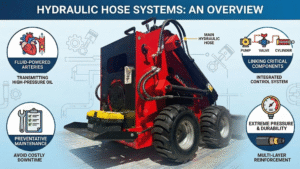
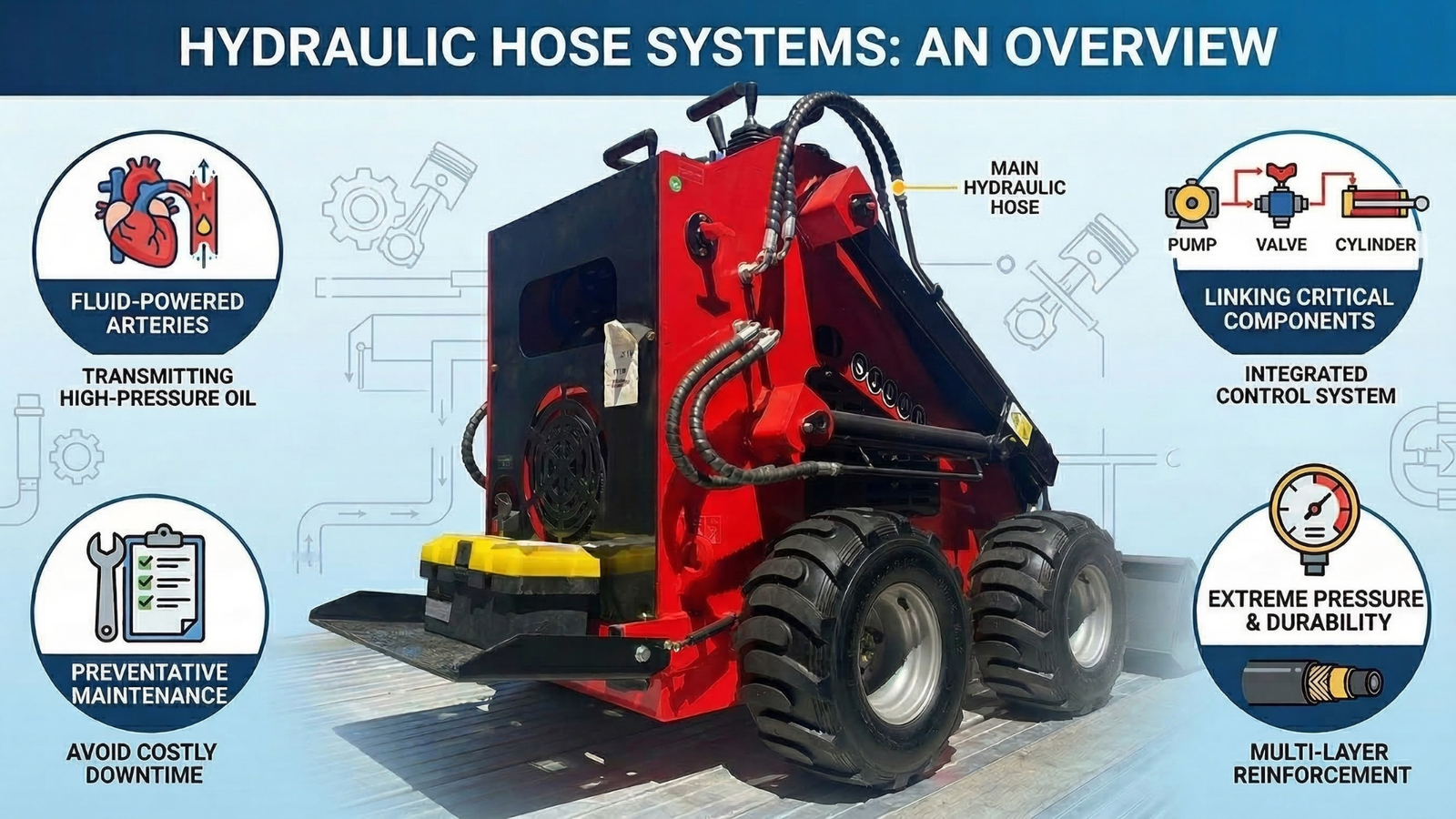
Heavy equipment depends on tremendous force to dig, lift, and move large amounts of material across demanding job sites. This power, however, does not come from the engine alone. It is created by highly pressurized hydraulic fluid moving through the machine’s internal systems. Hydraulic hoses play a critical role in this process, acting like arteries that carry hydraulic oil to the parts of the machine that need it most. This flow allows excavators, loaders, and dozers to operate with strength, precision, and reliability.
Without these flexible but durable hoses, heavy machinery would not be able to function. They link the key hydraulic components together, allowing operators to control powerful movements with accuracy. For anyone responsible for managing or operating equipment, understanding how hydraulic hose systems work is extremely important. This knowledge helps keep machines running safely, efficiently, and with minimal downtime.
In this guide, we will take a closer look at the role hydraulic hoses play within heavy machinery. We will explore how they transfer hydraulic fluid between critical components, why they must handle extremely high pressure, and how proper maintenance can help prevent costly breakdowns and unexpected system failures.
The Lifeline of Heavy Equipment: Hydraulic Hose Systems
To truly appreciate the engineering behind heavy equipment, it’s important to understand the basic principles of fluid power. Hydraulic systems operate on the concept that liquids cannot be compressed; when a mechanical pump pushes hydraulic oil into a confined space, that fluid transmits force directly to other components throughout the machinery.
Hydraulic hose systems serve as the critical transportation network for this pressurized fluid. They route oil from the main reservoir to the primary hydraulic pump and carry the highly pressurized fluid onward to the sophisticated control valves managed by the operator.
Finally, these hoses deliver the fluid directly to critical working actuators, such as lift cylinders or swing motors. When the operator moves a control, the valves respond instantly, and the hoses supply the necessary fluid volume to power functions like moving a heavy bucket or lifting a pallet. The flexibility of hydraulic hoses allows the machine’s joints to move freely while maintaining consistent and reliable fluid flow, which is essential for effective machine operation.
Engineering for Extreme Conditions: Hydraulic Hose Systems in Heavy Equipment
Transferring fluid across a moving machine sounds simple, but the physical reality is incredibly demanding. The hydraulic oil inside earthmoving machines does not flow gently. It travels through hoses at high speeds and under enormous pressure.
Standard hydraulic hose systems routinely operate at pressures exceeding several thousand pounds per square inch. When an excavator encounters a massive, immovable rock, the hydraulic pressure spikes instantly as the machine attempts to break it free. The hoses must absorb these violent pressure spikes without expanding, rupturing, or detaching from their metal fittings.
To survive this harsh environment, industrial hoses feature highly sophisticated, multi-layered construction. The innermost tube consists of a synthetic rubber compound designed specifically to resist chemical degradation from the hydraulic oil. This smooth inner core ensures the fluid flows with minimal friction and maximum efficiency.
The Anatomy of High-Pressure Reinforcement
The true strength of a hydraulic hose lies in its middle reinforcement layer. Engineers wrap the inner tube in tightly woven layers of high-tensile steel wire. Some hoses use braided wire for greater flexibility, while high-pressure variants utilize multiple layers of spiraled steel to contain the immense internal forces.
The outer cover provides the final line of defense for the entire assembly. This thick, durable rubber jacket shields the internal steel reinforcement from abrasive dirt, sharp rocks, and harsh weather conditions. If this protective outer layer becomes damaged, the steel wire inside can quickly rust, weakening the hose and significantly increasing the risk of failure.
The Dangers of Neglecting Hydraulic Hose Systems
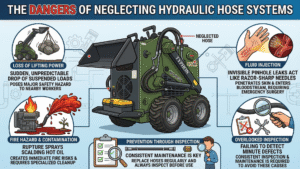
Failing to respect the power contained within these hoses leads to severe consequences on the job site. When a high-pressure hose ruptures, the machine immediately loses its lifting capability. A suspended load can drop suddenly and unpredictably, posing a major safety hazard to everyone in the vicinity.
Furthermore, a ruptured hose sprays scalding hot hydraulic oil across the machine and the surrounding environment. This creates an immediate fire hazard, especially if the oil comes into contact with hot engine components. In addition, hydraulic fluid spills can result in significant environmental contamination, which often requires specialized cleanup to restore safety and compliance on the job site.
Perhaps the most severe danger comes from microscopic pinhole leaks. Fluid escaping under high pressure acts like an invisible, razor-sharp needle. If an operator runs their bare hand over a pressurized leak, the fluid can inject directly through the skin and into the bloodstream, requiring immediate emergency surgery. This risk underscores the need for consistent inspection and maintenance of hydraulic hose systems in all heavy machinery.
Mastering Hydraulic Hose Systems Maintenance in Heavy Equipment
Protecting your crew and machinery begins with a proactive, detailed approach to heavy equipment maintenance. Hydraulic hoses should never be viewed as permanent or maintenance-free components. Over time, these flexible lines wear down due to constant movement, elevated temperatures, and exposure to challenging work environments. Regular inspection and scheduled replacement are essential practices for ensuring sustained safety and performance on every job site.
The foundation of effective maintenance is the daily visual inspection. Before starting the engine, operators must walk around the machine and carefully examine all visible hoses. Look closely for damp spots around the metal fittings, as this indicates an early-stage leak that requires immediate attention.
Operators should also inspect the outer rubber covers for deep scratches, cracks, or signs of serious abrasion. If any internal steel wire reinforcement becomes visible, the hose must be replaced immediately. Operating heavy equipment with exposed reinforcement carries significant risks and can lead to costly and hazardous failures.
Smart Routing and Installation Practices in Heavy Equipment
Proper maintenance also involves ensuring that hoses are installed and routed correctly. When replacing a damaged line, technicians must use a hose of the exact required length. A hose that is too short will stretch excessively when the machine arm extends, increasing the risk of it disconnecting or tearing from the fitting.
Conversely, a hose that is too long will sag and rub against the moving steel components of the machine. This ongoing friction acts like sandpaper, quickly wearing through the protective outer cover and exposing the reinforcement layer beneath. To prevent this, technicians should ensure proper clamping and use protective wrapping to keep hoses securely in place and insulated from mechanical abrasion.
How to Prevent Hydraulic Leaks in Heavy Equipment
The ultimate goal of your maintenance program is to reliably prevent hydraulic leaks before they disrupt your daily operations. One of the most effective strategies is adhering to strict replacement schedules rather than waiting for a failure. Track the operational hours on your heavy-duty hoses and replace them proactively during scheduled downtime. Regular preventative maintenance and timely replacements support safe, efficient operation and help avoid costly, unscheduled repairs.
Maintaining proper operating temperatures also significantly extends the life of your hydraulic hose systems. Excessive heat can cause the synthetic rubber to harden, crack, and fail ahead of schedule. To help avoid this, make sure hydraulic fluid coolers are kept clean and free of debris so the system can manage and dissipate heat efficiently.
Finally, keep your hydraulic fluid meticulously clean. Contaminated oil acts like a liquid abrasive, slowly eroding the inner lining of the hoses and the tight seals within the metal fittings. It’s essential to follow the manufacturer’s recommended fluid replacement intervals and thoroughly clean the filler cap area before adding fresh oil to the reservoir.
Best Practices for Hydraulic Hose Systems in Heavy Equipment
Modern heavy equipment is engineered to withstand the demanding conditions of construction sites, where machine reliability is critical. The design and placement of hydraulic systems have advanced to ensure optimal performance and safety. Manufacturers use premium-grade hydraulic hoses, carefully routing them through the most protected areas of the machine’s frame. By channeling hoses inside booms and arms, these systems are less exposed to external damage from debris or operational hazards.
Attention to detail, such as fitting hoses with high-quality protective sleeves and ensuring proper routing to accommodate movement, helps reduce premature wear and the risk of leaks. These best practices contribute significantly to the durability and lifespan of hydraulic hose systems, supporting consistent uptime and efficient operation across a variety of heavy machinery.
Modern heavy equipment is equipped with premium-grade hydraulic hoses designed to withstand exceptional pressure spikes and tough operating environments. Industry best practices involve routing these fluid lines through the safest, most protected areas of the machine’s steel chassis. By placing hoses inside booms and arm structures, they are shielded from debris and accidental damage, which helps extend their lifespan and maintain performance.
Engineers specify high-quality protective sleeves for areas where hoses must flex and move extensively. This level of attention to detail significantly reduces premature wear and helps prevent hydraulic leaks. A well-designed hydraulic hose system, focused on durability and reliability, is essential for achieving maximum uptime in heavy equipment operations.
Conclusion
Hydraulic hose systems are the vital arteries that give heavy machinery its incredible strength and precise control. They perform the critical task of transferring highly pressurized fluid between pumps, valves, and working cylinders. Recognizing the importance and potential hazards of these components is essential for ensuring a safe and productive job site.
You protect your investment and your crew by prioritizing diligent heavy equipment maintenance. Commit to daily visual inspections, address minor leaks promptly, and replace worn hoses before failures occur. Proactive care ensures your machines continue to deliver consistent, reliable performance.
Take a moment to review your fleet’s maintenance protocols. Ensure your operators are well-trained to identify early signs of hose wear and understand the importance of thorough, regular inspections. By maintaining a disciplined service schedule and prioritizing preventative care, you help keep your equipment operating safely and efficiently throughout every project.