
When you evaluate heavy machinery, you need to look at more than just how big it is. Horsepower and operating weight may look good on paper, but they don’t tell the whole story. The hydraulic system is a big part of what makes your excavator, loader, or dozer work well.
Hydraulic power does the heavy lifting when your crew needs to break through thick, compacted clay or lift big concrete pipes. Knowing how this system works on the ground is what makes the difference between smart equipment purchases and costly mistakes.
Having the hydraulic cylinder force explained clearly helps you match the right machine to your specific project needs. This guide breaks down exactly how hydraulic specifications dictate real-world digging and lifting performance on your job sites. We will explore how specific components like bore size, pressure ratings, and stroke length directly impact your daily operations.
The Core Mechanics of Hydraulic Power
At its most basic level, a hydraulic system uses pressurized fluid to generate massive amounts of mechanical force. The engine powers a pump, which pushes hydraulic fluid through heavy-duty hoses and valves. This fluid enters the hydraulic cylinder, pushing against a piston to create movement.
Contractors often look at the overall system flow rate, but the actual work happens inside the individual cylinders. The force generated dictates your machine’s breakout force, lifting capacity, and cycle times. If your hydraulic force falls short of your job site demands, your operators will struggle with sluggish performance, stalled buckets, and accelerated equipment wear.
To make informed purchasing or rental decisions, you must understand three critical specifications: bore size, pressure ratings, and stroke length.
Hydraulic Cylinder Force Explained: Key Specifications
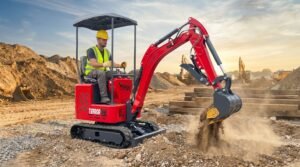
Evaluating a machine’s hydraulic capabilities requires looking at the individual components that make up the cylinder. Each specification plays a distinct role in how much material your machine can move and how quickly it can move it.
Bore Size and Its Impact on Lifting Capacity
The bore size refers to the inner diameter of the hydraulic cylinder barrel. This measurement represents the total surface area of the piston that the pressurized hydraulic fluid pushes against.
When you increase the bore size, you provide more surface area for the fluid to act upon. This directly translates to a massive increase in lifting capacity and pushing power. A cylinder with a large bore can generate incredible force, allowing an excavator to effortlessly lift heavy trench boxes or massive boulders.
However, larger bore sizes require a higher volume of hydraulic fluid to fill the cylinder. If the machine’s pump cannot deliver that high volume quickly, the cylinder will extend slowly, increasing your cycle times. You must ensure the machine balances a large bore size with a robust hydraulic pump to maintain job site efficiency.
Pressure Ratings: The Muscle Behind the Machine
Hydraulic pressure, which is usually measured in pounds per square inch (PSI), shows how strong the system is. The pump makes this pressure, which pushes the fluid into the cylinder.
A machine can make more force with higher pressure ratings without needing bigger, heavier cylinders. This is especially important for small machines like mini excavators and skid steers, where there isn’t a lot of room to work. High-pressure systems let smaller machines dig harder and break out better, so they can do a lot more than their weight class.
You should also think about how long the hoses, seals, and fittings will last when you look at pressure ratings. Pushing a machine to its maximum pressure limits all the time speeds up the wear and tear on its parts. Buying equipment from well-known companies makes sure that the parts inside can safely handle long periods of high pressure.
Stroke Length: Reach and Cycle Times
The stroke length measures the maximum distance the piston can travel inside the cylinder. This specification dictates the physical reach and range of motion for your heavy equipment.
A longer stroke allows an excavator arm to reach deeper into a trench or a wheel loader to dump material higher into a commercial haul truck. While a long stroke provides excellent reach, it also takes more time and fluid to fully extend and retract.
Machines designed for rapid cycle times often utilize shorter stroke cylinders to maximize speed. When selecting equipment, you must weigh your need for extensive reach against your requirement for rapid, repetitive material handling.
Translating Specifications to Digging Performance
Reading specifications in a brochure means very little until you apply them to real job conditions. Digging performance relies heavily on a metric known as breakout force. This measures the maximum raw power the machine can apply at the cutting edge of the bucket.
Conquering Tough Soil Conditions
Imagine your crew tasked with excavating a foundation in heavily compacted clay or rocky terrain. A standard machine with average hydraulic force will struggle. The bucket teeth will scrape the surface, the hydraulics will whine, and the operator will waste valuable time trying to break the material loose.
In these tough soil conditions, you need a machine with high hydraulic pressure and large bore cylinders on the boom and bucket. This combination delivers the massive breakout force required to drive the bucket teeth deep into the dense earth. The hydraulic force shatters the compacted material, allowing the operator to scoop full buckets with every single pass.
Maintaining Optimal Cycle Times
Digging trenches or loading dump trucks requires a delicate balance of power and speed. If your hydraulic cylinders prioritize pure force over flow rate, your machine will dig powerfully but move sluggishly.
For high-volume earthmoving tasks, you need a hydraulic system that provides rapid cycle times. The cylinders must extend and retract swiftly, allowing your operator to dig, swing, dump, and return to the trench in seconds. Understanding how bore size and pump flow interact ensures you select a machine that maintains a profitable pace all day long.
Translating Specifications to Lifting Heavy Loads
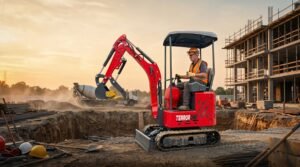
Modern excavators and loaders do much more than move dirt. Contractors frequently rely on these machines to lift and place heavy materials, effectively turning them into mobile job site cranes. The hydraulic cylinder force directly dictates the safety and efficiency of these lifting operations.
Handling Concrete and Infrastructure Materials
Setting large concrete manholes, storm water pipes, or steel road plates demands absolute precision and immense lifting power. The boom and stick cylinders bear the entire brunt of these massive loads.
When performing heavy lifts, the hydraulic system relies on holding valves and robust cylinder seals to keep the load suspended safely. Large bore cylinders provide the necessary force to hoist the material, while high system pressure ensures the load remains completely stable as the operator swings the machine into position.
Attempting to lift materials that exceed your machine’s hydraulic capacity forces the internal relief valves to open. The cylinders will simply stop moving, or worse, they will slowly drop the load. Securing equipment with adequate hydraulic force protects your crew from catastrophic safety hazards and prevents costly material damage.
Operating Heavy Attachments
Your equipment often needs to power heavy, specialized attachments like hydraulic breakers, vibratory compactors, or forestry mulchers. These attachments not only weigh a significant amount, but they also demand continuous hydraulic flow to operate correctly.
The machine must possess enough cylinder force to lift and maneuver the heavy attachment while simultaneously delivering high-pressure fluid to the auxiliary hydraulic lines. If the system lacks capacity, lifting the attachment will starve the auxiliary lines, causing the tool to stall. Properly evaluating the total hydraulic capability guarantees your machine can handle commercial-grade attachments without compromising performance.
Why Matching Force to Job Conditions Matters
Selecting heavy machinery requires a strategic, data-driven approach. Overestimating your hydraulic needs leads to purchasing unnecessarily large, expensive machines that consume massive amounts of diesel fuel. Underestimating your needs leaves your crew equipped with underpowered machines that constantly struggle, breaking down prematurely due to immense operational strain.
When you take the time to have hydraulic cylinder force explained and apply it to your specific project pipeline, you protect your bottom line. You ensure your operators have the exact breakout force needed to tackle tough terrain and the precise lifting capacity required to handle critical infrastructure materials safely.
Take a close look at your upcoming contracts. Identify the heaviest materials your crew will lift and the toughest soil conditions they will excavate. Match those specific job site demands to the bore size, pressure ratings, and stroke lengths of your equipment. Making informed, precise machinery decisions builds a capable, profitable fleet ready to execute any commercial project efficiently.
Conclusion
Understanding hydraulic cylinder force is essential for making informed decisions about your heavy equipment fleet. By evaluating key specifications like bore size, pressure ratings, and stroke length, you can match the right machinery to your job site’s specific demands. Whether you’re breaking through tough soil, lifting heavy materials, or operating specialized attachments, hydraulic power plays a critical role in ensuring efficiency, safety, and profitability.
Taking a data-driven approach to equipment selection helps you avoid costly mistakes, reduce downtime, and maximize performance. Analyze your project requirements carefully, and choose machines with hydraulic capabilities to meet your crew’s needs. With the right equipment, you’ll build a fleet that’s not only powerful but also highly productive and ready to tackle any challenge.