Cities are changing faster than ever, and the ways we build them need to change with them. As cities focus on density, revitalization, and utility modernization instead of outward growth, contractors have to deal with more and more complicated problems. When you work in these crowded, cramped spaces, you need tools that can move a lot of dirt without taking up a lot of space like traditional earthmoving machines. You need solutions that are reliable and trustworthy, so your team can work well while following the strict rules of city environments.
Knowing how the specific dynamics are changing our cities helps you make smart, strategic choices about your fleet. It is no longer practical or profitable to bring a huge excavator into a busy downtown street or a neighborhood with a lot of homes close together. Instead, successful contractors are using small machines to get around tight streets, protect existing infrastructure, and keep projects moving forward without any problems. This change is a big shift in how we do heavy civil and commercial work.
This guide looks at the main reasons why compact excavators are becoming so popular in cities. We will look at how high-density neighborhood development, complicated utility upgrades, and very limited access make these machines absolutely necessary. You can get your company ready to win big city contracts, get the most out of each day, and give your customers the great results they expect by adapting to these changes.
The Shift Toward High-Density Neighborhood Development
Cities and towns are very focused on making the most of every square foot of land they have. Instead of clearing big open fields on the edges of town, developers are putting money into urban infill projects. This means putting up new businesses, apartments, and public buildings on small, empty lots that are completely surrounded by other buildings. You often have to dig foundations and move dirt just a few inches away from historic buildings, homes that are currently occupied, or stores that are currently open.
Infill development makes all traditional, full-sized machines useless. A normal excavator just can’t fit safely on these micro-lots, and even if it could, the operator wouldn’t have the swing radius they need to do their job well. Mini excavators are the perfect tool for building in neighborhoods with a lot of people. They have a lot of hydraulic power in a frame that is small enough to safely move along established property lines, so you never have to worry about damaging the structure of nearby buildings.
This localized method of neighborhood growth also gets a lot of attention from residents and city inspectors. Using heavy, bulky tools often breaks sidewalks, damages curbs, and ruins landscaping. Compact excavators have continuous rubber tracks that spread their weight evenly, which lowers the pressure on the ground a lot. Your crew can work on delicate residential surfaces without leaving behind a trail of costly damage, which will help you keep your profit margins and good relationships with your neighbors.
Revitalizing Infrastructure and Complex Utility Work
Beneath the asphalt of every major city lies a chaotic, aging network of critical infrastructure. Century-old water mains, fragile sewer pipes, and newly laid fiber optic cables share an incredibly cramped subterranean space. Upgrading and repairing this infrastructure is a constant necessity, but it requires an immense level of precision. A single misplaced bucket strike can rupture a high-voltage line or sever a water main, causing catastrophic delays, massive safety hazards, and devastating financial penalties for your business.
Mini excavators deliver the surgical precision required for complex urban utility work. These machines feature highly responsive hydraulic systems that give the operator complete, immediate control over the boom and bucket. When your crew is digging through dense clay to expose a fragile cast-iron pipe, they can apply the exact amount of breakout force needed without risking a dangerous impact. This reliable control allows your team to work confidently and quickly in high-stakes environments.
Furthermore, many compact excavators feature articulated booms that pivot independently of the machine cab. This clever engineering allows your operator to dig a perfectly straight trench parallel to a concrete curb or retaining wall while the machine remains safely parked in the street. You avoid the need for exhausting manual hand-digging, keeping your highly skilled tradesmen fresh, productive, and focused on completing the installation safely.
Overcoming Severe Access Limitations in City Limits
Urban construction is defined by its lack of space. Contractors constantly battle against narrow alleyways, heavily parked residential streets, and low-hanging overhead obstacles. Getting your equipment from the staging area to the actual work zone is often the most time-consuming logistical hurdle of the entire project. When you rely exclusively on oversized machinery, you waste valuable billable hours securing road closures, dismantling fences, and navigating detours.
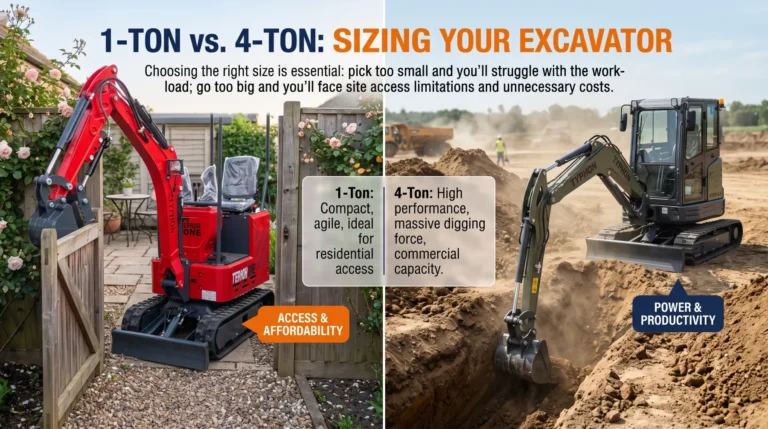
Compact excavators are specifically engineered to conquer these severe access limitations. Many models feature retractable undercarriages that allow the operator to narrow the machine’s tracks with the push of a lever. Your crew can drive the excavator through a standard pedestrian gate or down a tight commercial alley and then expand the tracks back out for maximum stability once they reach the digging zone. This remarkable flexibility eliminates the need to tear down existing infrastructure just to grant your equipment access to the site.
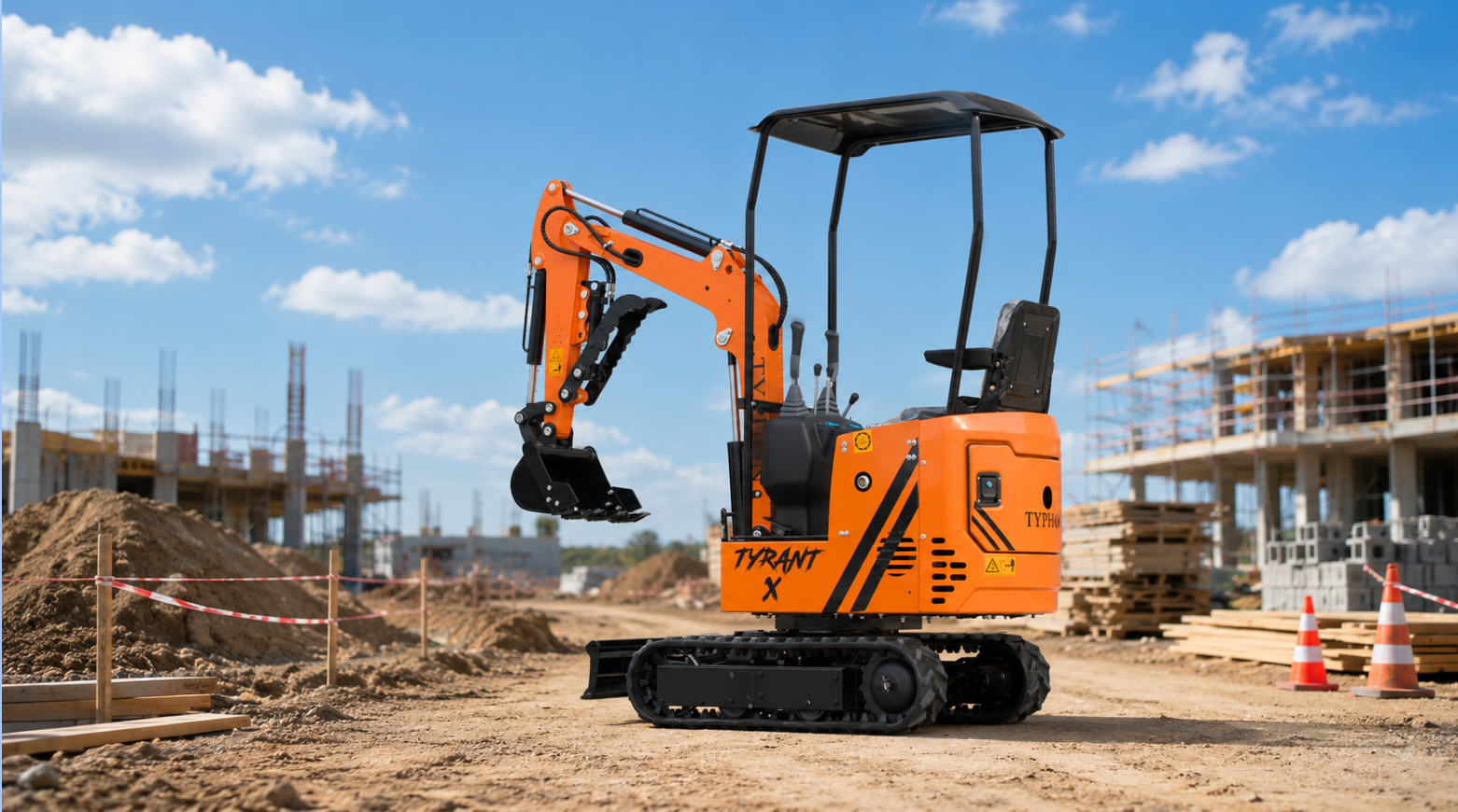
Zero tail swing designs further enhance this operational freedom. Because the rear engine housing remains entirely within the width of the tracks as the cab rotates, the operator does not have to constantly worry about swinging into a brick wall or a passing vehicle. Your team can position the machine safely in incredibly tight corridors and focus entirely on the excavation task in front of them, driving your daily productivity to new heights.
Minimizing Disruption in Active Urban Centers
Cities never stop moving, and local governments expect contractors to minimize their impact on the daily lives of residents and commuters. Local authorities strictly enforce noise ordinances, working hours, and emission regulations across metropolitan areas. When developers bring loud, heavily polluting machinery into a residential zone or a busy commercial district, they quickly generate noise complaints, work stoppages, and expensive municipal fines. You need equipment that works quietly and cleanly without sacrificing raw digging power.
Observing current urban construction equipment trends reveals a massive shift toward advanced, low-emission, and even fully electric compact excavators. Modern diesel engines in compact machines are heavily refined to run quietly while drastically reducing harmful exhaust output. This allows your crew to start working earlier in the morning and continue later into the evening without violating strict urban noise ordinances.
Adapting to the Future of Urban Development
The physical landscape of our cities will continue to change, demanding smarter, more agile construction solutions. Contractors who recognize and embrace these shifts will consistently outperform competitors who cling to outdated, oversized fleets. Building a resilient, highly capable company requires equipping your operators with machines that actually fit the modern job site.
Investing in compact excavators is a direct investment in your company’s operational flexibility. You empower your workforce to bid on a wider variety of projects, from deep inner-city utility repairs to high-end backyard renovations. You slash your transportation costs, reduce your fuel consumption, and eliminate the constant logistical headaches associated with moving massive steel through congested traffic. This strategic approach ensures your business remains highly profitable and exceptionally reliable, no matter how tight the working conditions become.
Conclusion
Succeeding in urban construction requires recognizing that bigger is no longer universally better. The unique challenges of city development demand a refined, highly agile approach to heavy earthmoving. High-density infill projects, delicate utility networks, and severe spatial restrictions all point to one undeniable reality. The compact excavator is the absolute cornerstone of the modern urban job site.
We encourage you to evaluate your current fleet and identify where oversized machinery is actively slowing down your urban projects. By understanding the forces driving compact equipment demand, you can make intelligent, data-driven purchasing decisions. Equip your dedicated crews with the right-sized machinery, embrace the agility of compact excavators, and ensure your company remains a trusted, leading force in the future of city building.